

Chronic Kidney Disease (CKD) affects more than 10% of the population worldwide and is often associated with other conditions such as diabetes and hypertension. However, rare kidney diseases, although individually rare, collectively exert a notable impact on kidney health – accounting for an estimated 5–10% of CKD cases.
Despite their impact, rare kidney diseases often remain underdiagnosed and under-recognised within CKD care and policy frameworks. This raises critical questions: Why do so many rare kidney conditions go undiagnosed? Could rare kidney diseases account for more CKD cases than previously thought? And what would earlier diagnosis and targeted intervention mean for patients, health systems, and payers? This article aims to address these questions.
Rare Disease Day presents a time to reflect on the progress made in understanding and addressing the unique challenges that rare diseases bring – and the hurdles that remain. Over the past year, several significant developments have shaped the rare disease landscape, from new regulatory policies and technological advancements to major advocacy efforts.
Fabry disease is a rare genetic X-linked disease caused by pathogenic genetic variants in the GLA gene. As with other rare genetic conditions, of which there are thought to be over 7000, accurately determining the prevalence of Fabry disease is challenging. Using HealthLumen’s genetic database mining methodology, our recent study suggests that Fabry disease prevalence in the US may considerably exceed previous estimates.
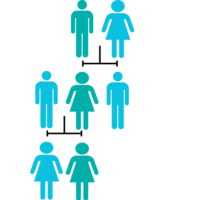
Earlier diagnosis can make all the difference for individuals with genetic diseases. Delayed diagnosis hinders timely disease management and treatment access, meaning that progression to late-stage disease can occur more rapidly, likely leading to a significant increase in the health and economic burden of these conditions for patients, their families, and healthcare systems. Screening programs aim to identify individuals with genetic conditions earlier, with cascade screening in particular providing one way to help transform outcomes for patients.
HealthLumen has today announced the launch of AlleleAtlas, the genetic variant prevalence projection tool. The tool has been developed to bring a valuable resource to the rare disease community, including those engaged in rare disease research and therapeutics in the pharmaceutical, biotech and research spaces, and for patient advocacy organisations aiming to raise awareness.

HealthLumen are looking forward to discussing our work on the prevalence of rare diseases and engaging with colleagues dedicated to accelerating rare disease therapeutics at several upcoming conferences in the final quarter of this year.

Rallybio, a clinical-stage biotechnology company, will be presenting the findings of a genetic database analysis study conducted in partnership with HealthLumen on Fetal and Neonatal Alloimmune Thrombocytopenia (FNAIT) risk across racially and ethnically diverse populations at the American Society of Human Genetics (ASHG) 2024 Annual Meeting. The conference will take place from November 5–9 2024 in Denver, Colorado.

Awareness of the vast impact of rare diseases, which affect approximately 300 million people globally (1), has significantly increased over the years, leading to increased funding and investment in rare disease research and therapy development. Although more than half of the novel drug approvals by the FDA’s Center for Drug Evaluation and Research last […]
When you need a future-facing decision engine for big, real world population health questions, we are the people to turn to.
Solutions